Trading Academy
A structured path from how financial markets and asset classes work, through fundamental and technical analysis, to building a trading strategy and managing risk. All courses are in Arabic, and no prior experience is assumed at the start.
The learning path
Four sequential stages, each building on the last.
- 1
Fundamentals
Financial markets, asset classes, how a broker works, leverage and margin.
- 2
Fundamental analysis
Interest rate decisions, inflation and employment data, and their effect on currencies.
- 3
Technical analysis
Reading charts, price patterns, and the most widely used indicators.
- 4
Strategy and risk management
Building a trading plan, position sizing, and managing losses.
Free guides
A short explainer for each chart tool, with a link to see it live.
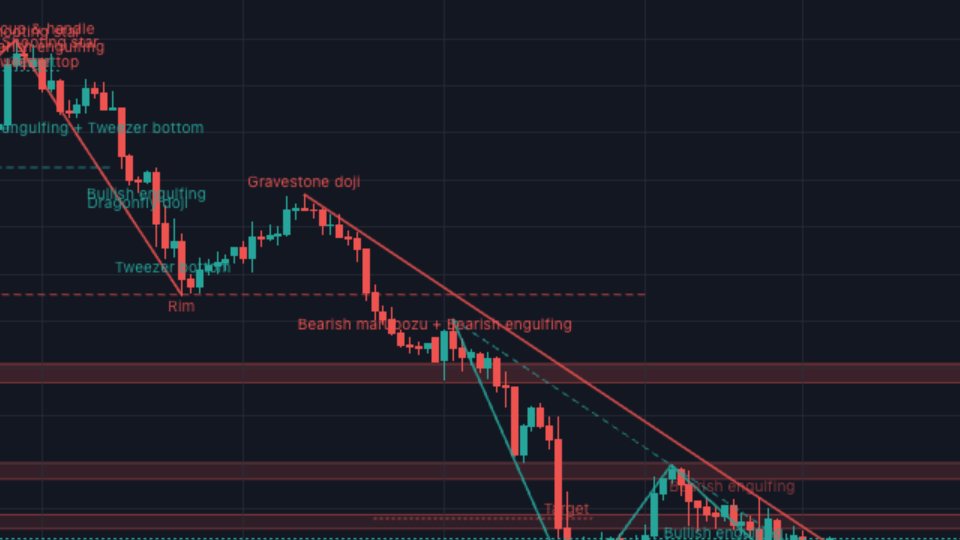
Price Action Trading Explained: Trading the Chart Itself
Price action trading explained: reading trend and support and resistance, the key candlestick patterns, chart patterns, and a simple price action entry plan on gold.
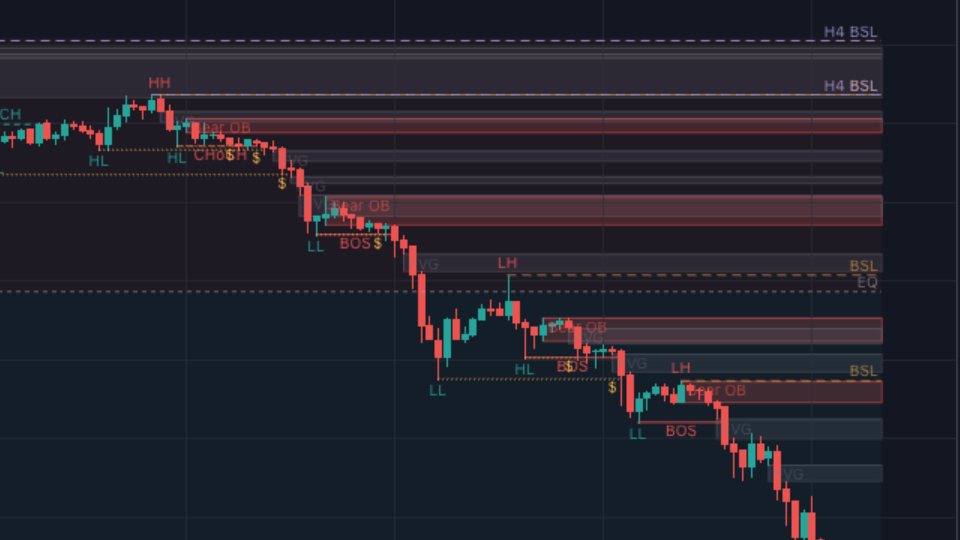
Liquidity in Trading: Liquidity Sweeps Explained
Liquidity in trading explained: buy-side and sell-side liquidity (BSL, SSL), equal highs and lows, a sweep vs a real breakout, and how to trade it.
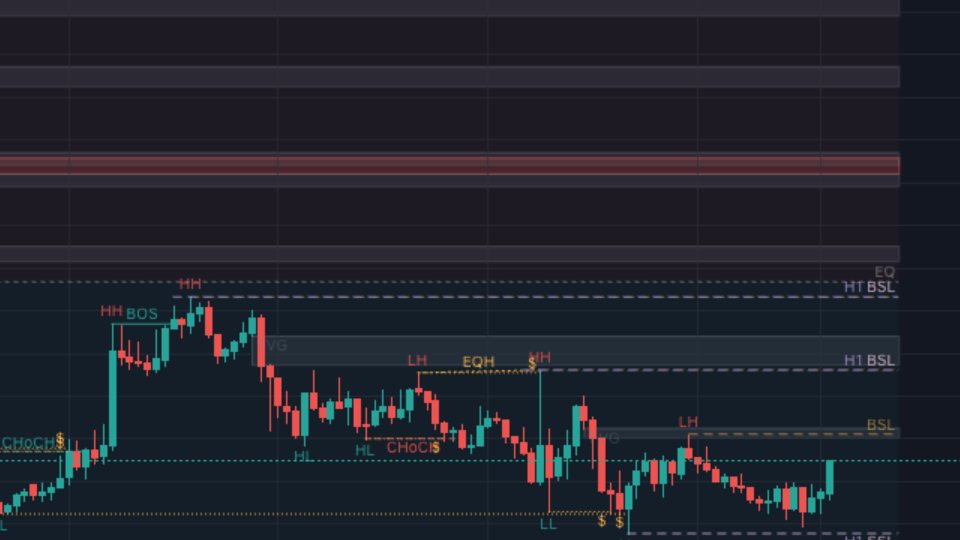
Order Blocks Explained: How to Find and Trade Them
Order blocks explained: what they are, what makes a strong one, how to draw it, breaker blocks, and how to enter from an order block on gold.
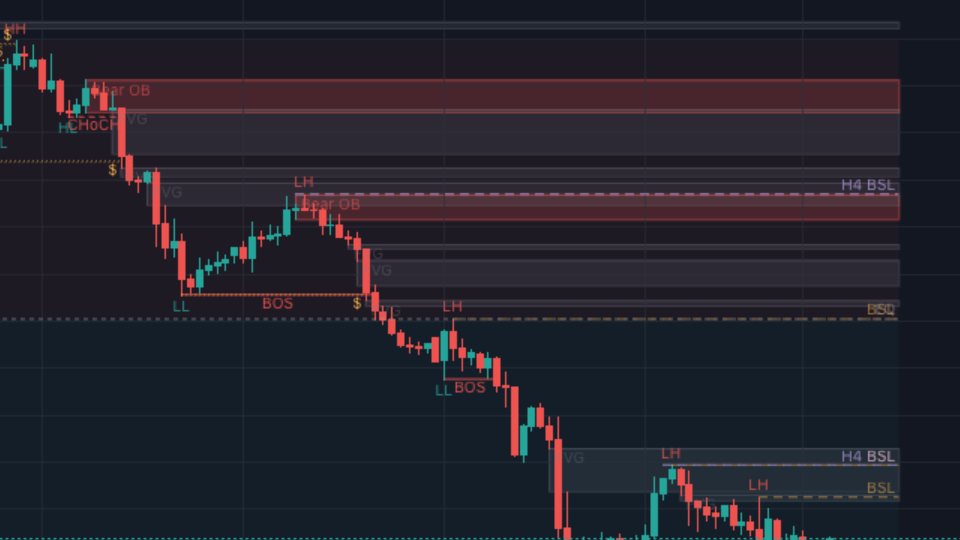
Smart Money Concepts (SMC) Strategy Explained
The SMC trading strategy explained: market structure, BOS and CHoCH, order blocks, fair value gaps, liquidity and premium/discount, with how to use them on gold.
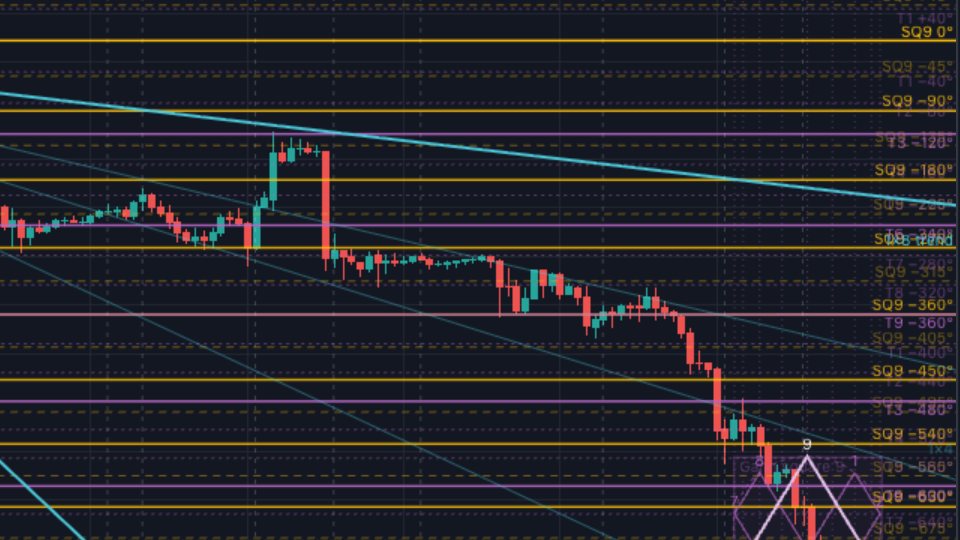
Gann Square of 9 Explained, with the Calculation
The Gann Square of 9 explained: how price levels come from the square root, the 45, 90, 180 and 360 degree angles, and time-price balance, drawn automatically on gold and Bitcoin.
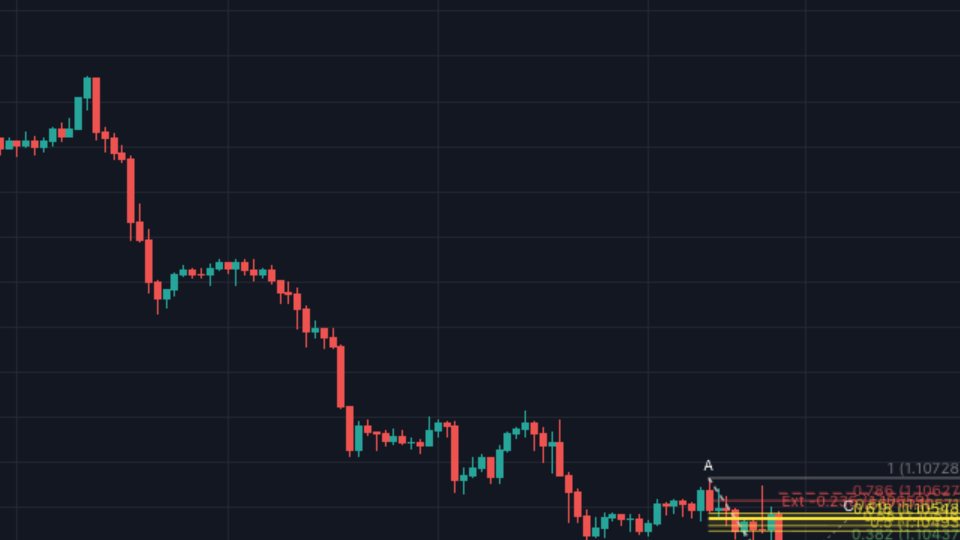
Fibonacci in Trading: Retracements and Extensions Explained
Fibonacci in trading explained: the 0.382, 0.5, 0.618 and 0.786 retracements, the 1.618 and 2 extensions, how to draw them from low to high, and the SK zone.
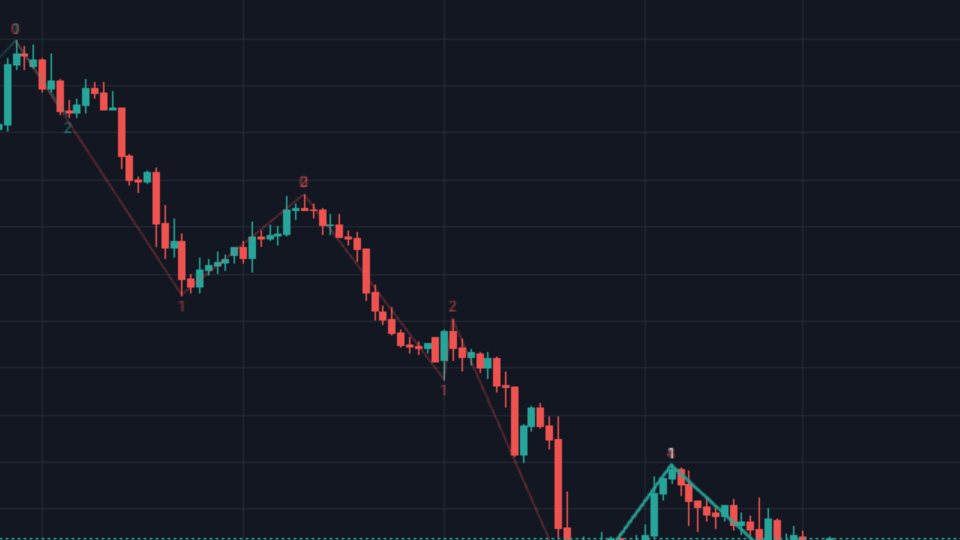
Elliott Wave in Trading: The Waves and the Three Rules
Elliott Wave explained: the five impulse waves and the A-B-C correction, the three rules that can't be broken, and how to use them with Fibonacci for targets.
Available courses
Frequently asked questions
Do I need prior experience to start?
No. The path begins with how financial markets work, what the main asset classes are, and how brokers operate, and assumes no prior experience. Advanced technical analysis comes later in the sequence.
What is the difference between fundamental and technical analysis?
Fundamental analysis examines the economic reasons behind price movement, such as interest rate decisions, inflation and employment data. Technical analysis examines price action itself through charts and indicators. Most traders use both together.
Is course access permanent?
It depends on the plan. Some courses are a one-time purchase with lifetime access, some grant access for a fixed number of days, and subscriptions such as signal channels renew periodically. The access term is shown on each product page before purchase.
Can I get a refund on a course?
Refund requests are reviewed manually within a defined window. When approved, we send the amount back to your wallet in USDT and access to the content stops.